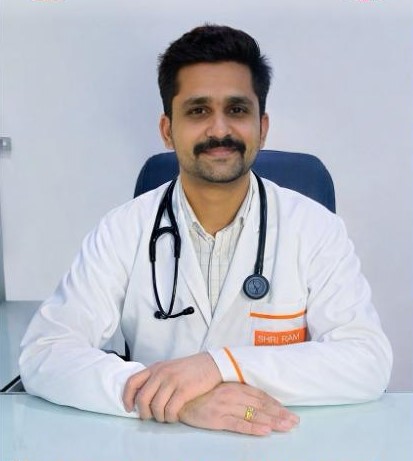
Best Orthopaedics Hospital in Vikaspuri, Delhi
SHRI RAM HOSPITAL's Orthopaedics Department is renowned for its comprehensive approach to diagnosing and treating bone, joint, muscle, and ligament conditions. Our skilled team of orthopaedic surgeons employs the latest surgical techniques and technology to restore function and improve quality of life.
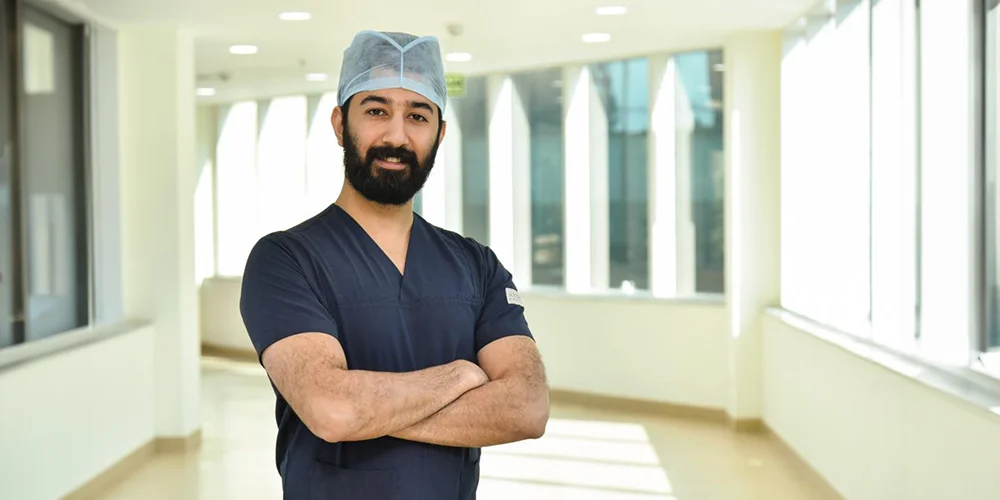
Introduction
Orthopaedics: Orthopaedics is the medical specialty that focuses on diagnosing, treating, and preventing conditions related to bones, joints, muscles, ligaments, and tendons.
Impact on mobility: Orthopedic problems can affect movement, cause pain, and limit daily activities if not treated on time.
Common conditions: These include fractures, arthritis, sports injuries, spine disorders, and joint-related problems.
Advanced care at Shriram Hospital: At Shriram Hospital in Vikaspuri, the orthopaedics department provides comprehensive care using modern diagnostic tools and advanced surgical techniques.
Expert specialists: Our experienced orthopedic doctors help patients regain mobility and improve their quality of life.
What Is Orthopaedics?
Definition: Orthopaedics is a branch of medicine that deals with disorders of the musculoskeletal system, including bones, joints, muscles, ligaments, and tendons.
Body support system: These structures work together to support body movement and stability.
Conditions treated: Orthopedic specialists diagnose and treat fractures, joint pain, arthritis, sports injuries, spine disorders, and ligament injuries.
Early treatment and proper care can help prevent long-term complications.
Common Orthopedic Conditions
Arthritis: A condition that causes inflammation in the joints, leading to pain, stiffness, and reduced mobility.
Fractures: Broken bones caused by accidents, falls, or sports-related injuries.
Ligament injuries: Injuries like ACL tears can cause knee instability and difficulty in movement.
Spine disorders: Conditions such as herniated discs, cervical spondylosis, and spinal stenosis affect the spine and nerves.
Sports injuries: Athletes often experience tendon injuries, ligament tears, and joint damage.
Symptoms of Orthopedic Problems
Persistent pain: Continuous joint or bone pain can indicate an underlying issue.
Swelling or inflammation: Swelling in joints may be due to injury or arthritis.
Difficulty in movement: Trouble walking or moving joints can affect daily life.
Muscle weakness: Reduced strength can impact mobility and balance.
Back or neck pain: Common symptoms of spine-related disorders.
Limited range of motion: Difficulty in joint movement can indicate damage or stiffness.
If these symptoms persist, consult an orthopedic specialist for proper diagnosis.
Diagnostic Services in Orthopaedics
Accurate diagnosis: Identifying the exact cause is essential for effective treatment.
Physical examination: Doctors assess joint movement, pain, and flexibility.
Digital X-rays: Help detect fractures and bone abnormalities.
MRI or CT scans: Provide detailed images of soft tissues and bones.
Bone density tests: Used to diagnose bone strength and osteoporosis.
Joint fluid analysis: Helps detect infections or joint disorders.
These tests help doctors create a personalized treatment plan.
Treatment Options for Orthopedic Conditions
Non-surgical treatment: Many conditions can be treated without surgery.
Medication: Medicines help reduce pain and inflammation.
Physiotherapy: Rehabilitation exercises improve strength and mobility.
Lifestyle changes: Weight management and activity modification support recovery.
Support devices: Braces and supports help stabilize joints.
Surgical treatment: Surgery is recommended when conservative methods are not effective.
Common procedures: Knee replacement, ACL reconstruction, spine surgery, fracture repair, and arthroscopy.
Modern techniques ensure minimally invasive procedures and faster recovery.
Orthopedic Rehabilitation and Recovery
Importance of rehabilitation: Recovery programs are essential after treatment or surgery.
Physiotherapy exercises: Help restore strength and flexibility.
Strength training: Improves muscle support around joints.
Mobility programs: Enhance movement and independence.
Post-surgery care: Structured recovery plans ensure proper healing.
Rehabilitation helps patients return to normal life faster.
Why Choose Shriram Hospital for Orthopaedic Care?
Experienced surgeons: Skilled orthopedic specialists provide expert care.
Advanced technology: Modern diagnostic and surgical equipment ensures accurate treatment.
Modern operation theatres: Equipped for safe and effective procedures.
Comprehensive rehabilitation: Complete recovery support for patients.
Patient-focused care: Personalized treatment for better outcomes.
Shriram Hospital is committed to helping patients regain an active and pain-free lifestyle.
When Should You See an Orthopedic Doctor?
Persistent pain: Ongoing bone or joint pain requires medical attention.
Movement difficulty: Trouble in joint movement should not be ignored.
Sports injuries: Ligament damage or injuries need expert care.
Back or neck pain: Could indicate spine-related issues.
Fractures or trauma: Immediate evaluation is necessary.
Early diagnosis helps prevent complications and improves recovery outcomes.
Conclusion :
For expert orthopaedic care that prioritizes your mobility and well-being, choose SHRI RAM HOSPITAL. Our dedicated team is committed to delivering excellence in musculoskeletal treatment and care.